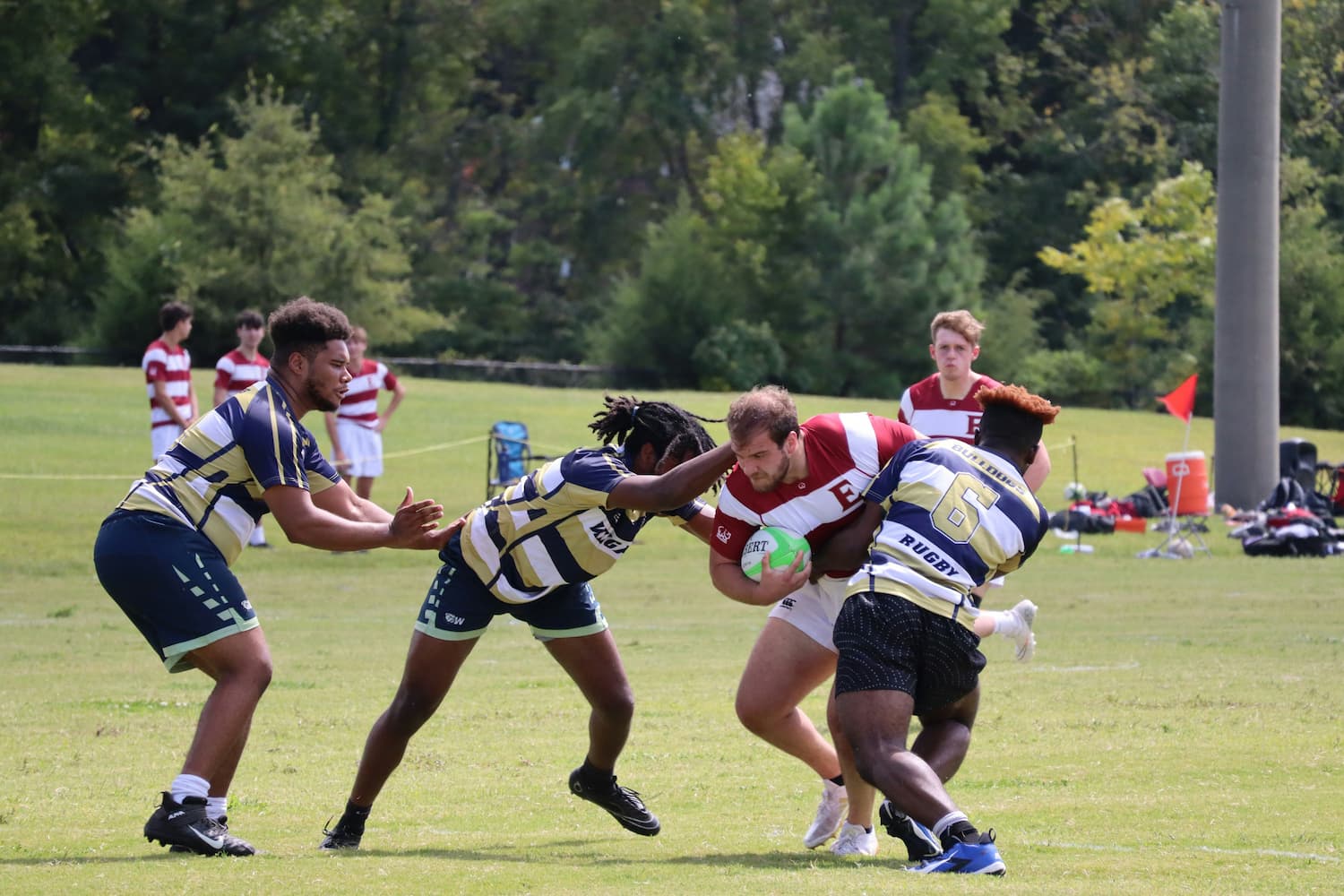
Betting on underdogs on 22Bet is a popular part of sports culture. Whether it’s a team in a big tournament or an athlete against a champion, there’s excitement in supporting the less favored side. This interest comes from psychological factors that affect how we think and act, which helps explain our love for a good upset.
The Allure of the Underdog Narrative
Individuals are inherently drawn to captivating narratives. The narrative of the underdog emphasizes how the less powerful side can triumph over difficult obstacles. This theme resonates with us, representing hope and resilience. Underdogs demonstrate that effort, perseverance, and a touch of fortune can result in incredible outcomes.
This motif is present everywhere. You’ll encounter it in literature, films, and everyday life. From timeless stories such as David and Goliath to modern movies, the path of the underdog captivates us. These compelling narratives inspire us to back the underdog, turning wagers on them into an emotional experience rather than purely financial.
Risk and Uncertainty
Betting on underdogs is riskier and more uncertain. When we bet on favorites, the outcome feels predictable and less exciting. But betting on an underdog offers the chance for big rewards and thrilling moments.
This comes from our natural desire for excitement. The possibility of an upset gives us an adrenaline rush. This high-stakes thrill can be addictive, bringing bettors back again and again to enjoy the excitement of the unexpected.
Cognitive Biases at Play
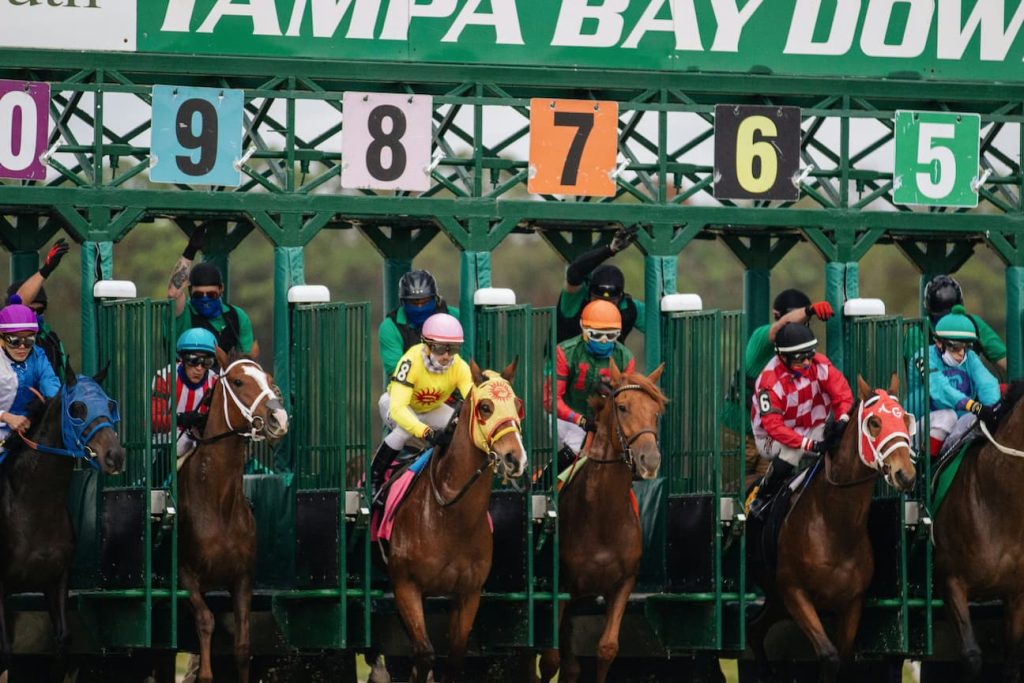
Several mental shortcuts explain why we prefer betting on underdogs. One is the “hot hand fallacy.” This means people believe that if an underdog has done well recently, they will keep winning, even if the stats say otherwise.
Another is “confirmation bias.” This happens when fans seek information supporting their beliefs about an underdog. They focus on what the underdog does well while ignoring their flaws, making them think the underdog has a better chance of winning.
Social Dynamics and Group Behavior
The social side of betting on underdogs affects our decisions. People often follow the crowd, and when a community supports an underdog, it boosts everyone’s excitement. This creates a bandwagon effect, where people join in just because others are.
Social media makes this even stronger. Online chats, memes, and hashtags help fans feel connected while cheering for the underdog. This sense of community encourages more people to bet on underdogs to feel part of the story.
Emotional Connections and Personal Stakes
Our feelings for sports teams and athletes affect how we bet. Many fans have personal memories connected to underdogs. These connections make them want to support the underdog, no matter the odds.
When fans care deeply, a win feels great, while a loss hurts more. This strong support makes fans more willing to take risks when betting because the emotional rewards can be more important than the money.